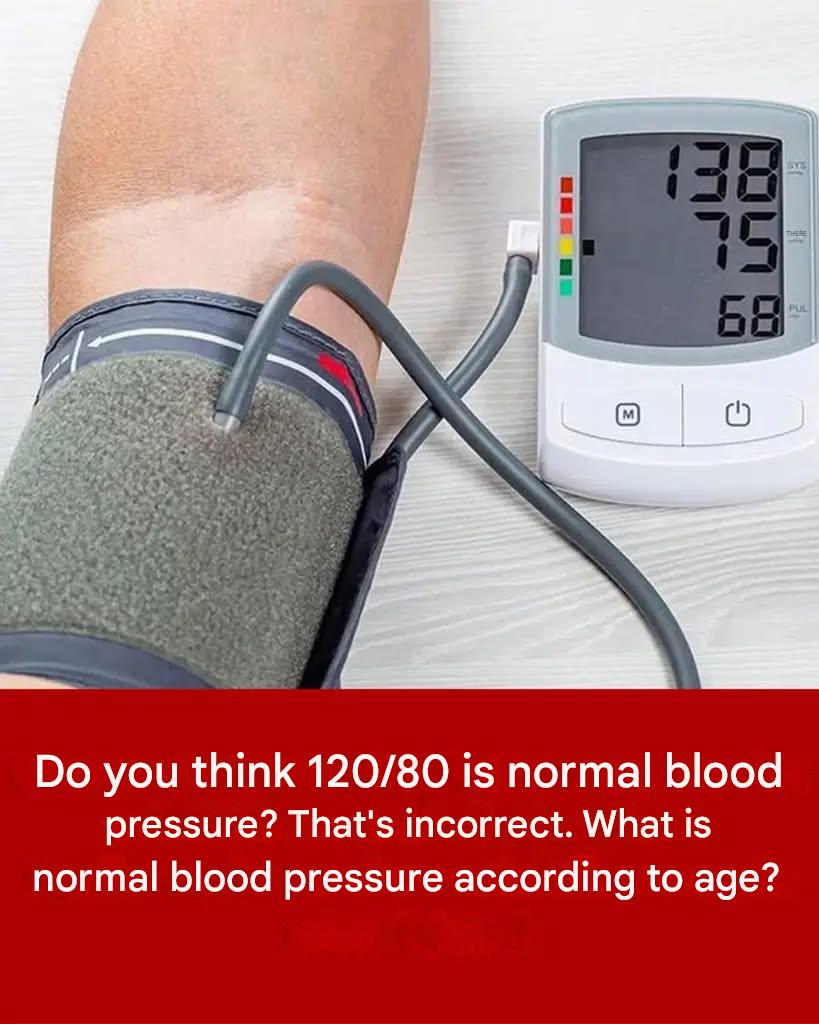
A blood pressure reading of 132/84, once considered normal, is now classified as mild hypertension. Should we be alarmed or simply remain vigilant? These recent medical guidelines are dividing experts and raising questions: do they truly reflect the individual circumstances of each patient?
Lower thresholds for better prevention
Previously, hypertension was diagnosed at a blood pressure of 140/90 mmHg or higher. But things have changed. Now, according to the latest guidelines from the American Heart Association and the American College of Cardiology , hypertension is defined as a blood pressure of 130/80 mmHg or higher. This change is significant: it is based on the findings of the SPRINT study , conducted with 9,000 participants over the age of 50 with cardiovascular risk factors. The results are clear: maintaining systolic blood pressure around 120 mmHg significantly reduces the risk of cardiovascular events .
