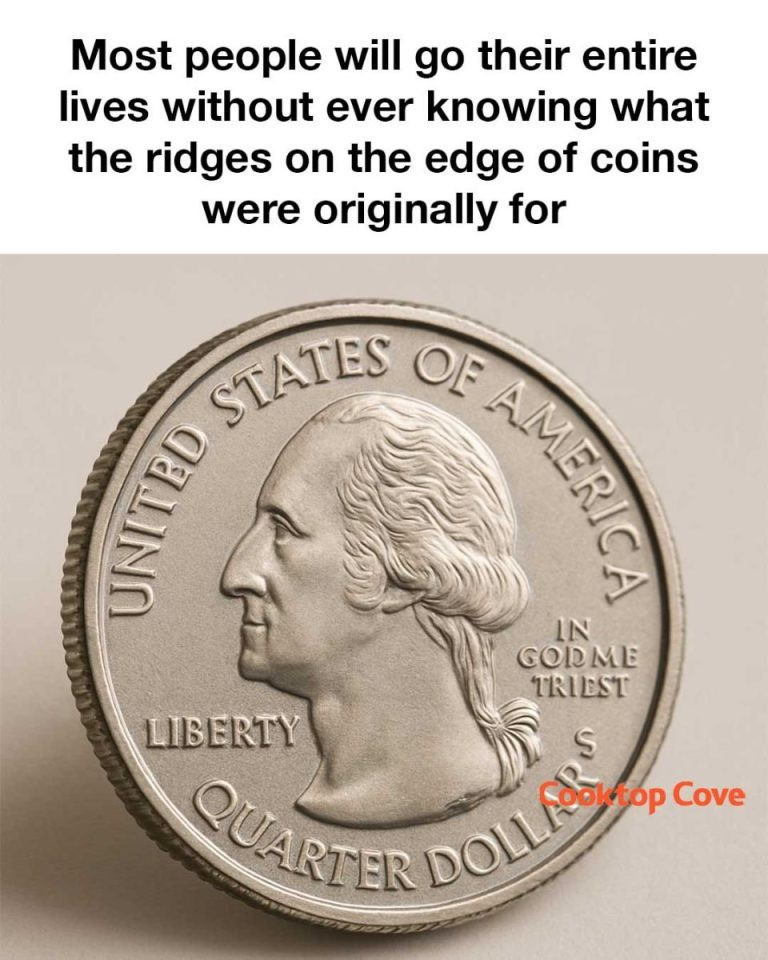
Coins are everyday objects that most people handle without a second thought. Yet, these small pieces of metal carry with them a rich history and a design that has evolved over centuries. One of the most intriguing features of many coins is the ridged or reeded edge, a detail that often goes unnoticed by the casual observer. While it might seem like a mere aesthetic choice, the ridges on coins have a fascinating origin and purpose that dates back to a time when the integrity of currency was a matter of national importance.
Historical Background of Coin Edges
The history of coinage is as old as civilization itself, with the first coins appearing in the 7th century BC in the region of modern-day Turkey. As coinage spread across the world, so did the need to ensure that these coins maintained their value and authenticity. In the early days, coins were made from precious metals like gold and silver, and their value was directly tied to their weight. This led to the practice of ‘coin clipping,’ where unscrupulous individuals would shave off small amounts of metal from the edges of coins, effectively stealing value while leaving the coin in circulation. This practice necessitated a solution, leading to the introduction of ridged edges.
The Purpose of Ridges on Coins
The primary purpose of the ridges on the edges of coins was to combat the problem of coin clipping. By adding ridges, any tampering with the coin’s edge would be immediately noticeable, thus preserving the coin’s integrity and value. This simple yet effective solution not only protected the currency but also helped maintain public trust in the monetary system. Over time, the ridged edge became a standard feature on many coins, serving additional purposes beyond its original intent.
The Evolution of Coin Design Over Time
Coin design has evolved significantly over the centuries, influenced by technological advancements, economic needs, and artistic trends. While the ridged edge was initially a practical solution, it has since become an integral part of coin aesthetics and functionality. Modern coinage incorporates a variety of features to enhance security and usability, but the ridged edge remains a testament to the ingenuity of early monetary systems. As societies moved from precious metal coins to base metal and alloy coins, the ridged edge continued to serve its purpose, adapting to new materials and minting techniques.
1. Preventing Coin Clipping: The Original Intent
In the days when coins were made from gold and silver, their value was directly linked to their metal content. Coin clipping was a widespread issue, as individuals would shave off small amounts of metal from the edges, reducing the coin’s weight and value. The introduction of ridged edges made it easy to detect any tampering, as the absence of ridges would be immediately apparent. This innovation helped preserve the integrity of the currency and deterred would-be clippers from defacing coins.
2. Enhancing Security and Authenticity
continued on the next page
