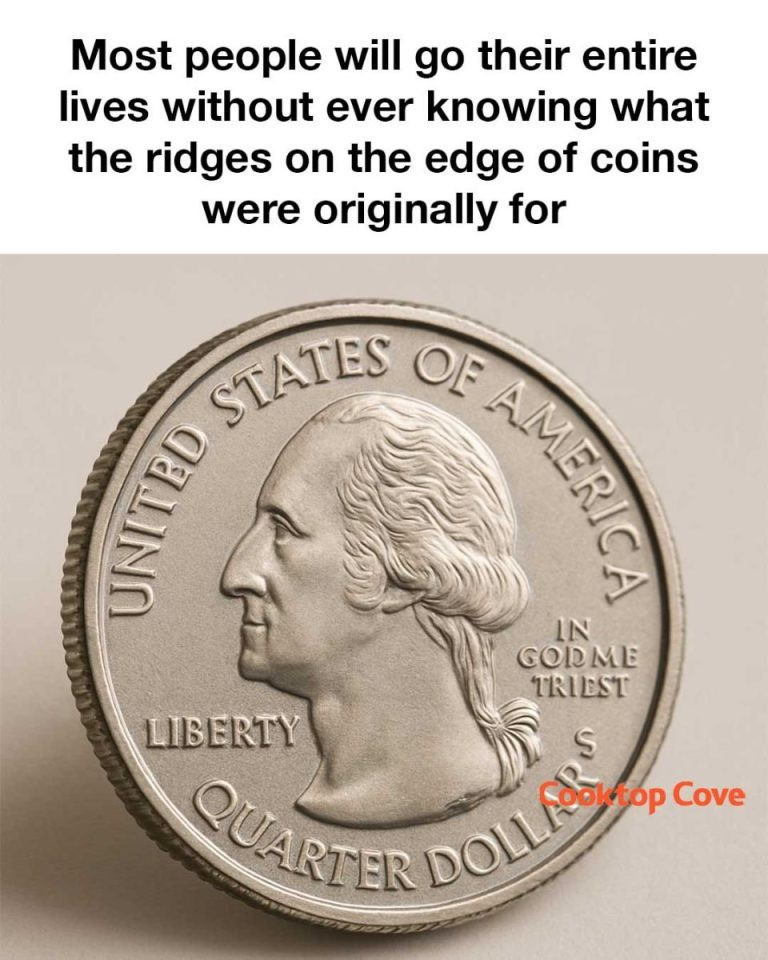
Beyond preventing clipping, ridged edges also serve as a security feature to combat counterfeiting. The intricate patterns of ridges are difficult to replicate without specialized equipment, making it harder for counterfeiters to produce convincing fake coins. In addition, the presence of ridges can help authenticate a coin, as genuine coins will have consistent and precise ridges, whereas counterfeits may have irregular or poorly defined edges.
3. Facilitating Identification by Touch
For individuals with visual impairments, ridged edges provide a tactile way to identify coins. The distinct texture of the ridges allows people to differentiate between coins of similar size and shape by touch alone. This feature enhances the accessibility of currency, ensuring that everyone can use coins with confidence and ease.
4. Aesthetic and Symbolic Significance
While the original purpose of ridged edges was practical, they have also taken on aesthetic and symbolic significance. The uniformity and precision of the ridges contribute to the overall design of the coin, giving it a finished and professional appearance. In some cultures, the ridged edge has come to symbolize the reliability and trustworthiness of the currency, reinforcing the idea that the coin is a secure and stable form of money.
5. Modern Technological Advancements in Coinage
Today, the production of coins involves advanced technology and precision engineering. Modern minting techniques allow for the creation of complex designs and security features, including micro-engraving and bi-metallic construction. Despite these advancements, the ridged edge remains a relevant and effective feature, continuing to serve its original purpose while adapting to new challenges in currency production and security.
Conclusion: The Legacy of Coin Ridges in Modern Currency
The ridged edge of a coin is a small but significant detail that speaks to the history and evolution of money. Originally introduced to prevent coin clipping, ridges have become a multifaceted feature that enhances security, usability, and design. As we move further into the digital age, physical currency may become less common, but the legacy of the ridged edge will endure as a symbol of the ingenuity and foresight of those who sought to protect the integrity of their currency. Whether we realize it or not, the ridges on the edge of coins continue to play an important role in our monetary systems, a testament to the enduring value of thoughtful design.
