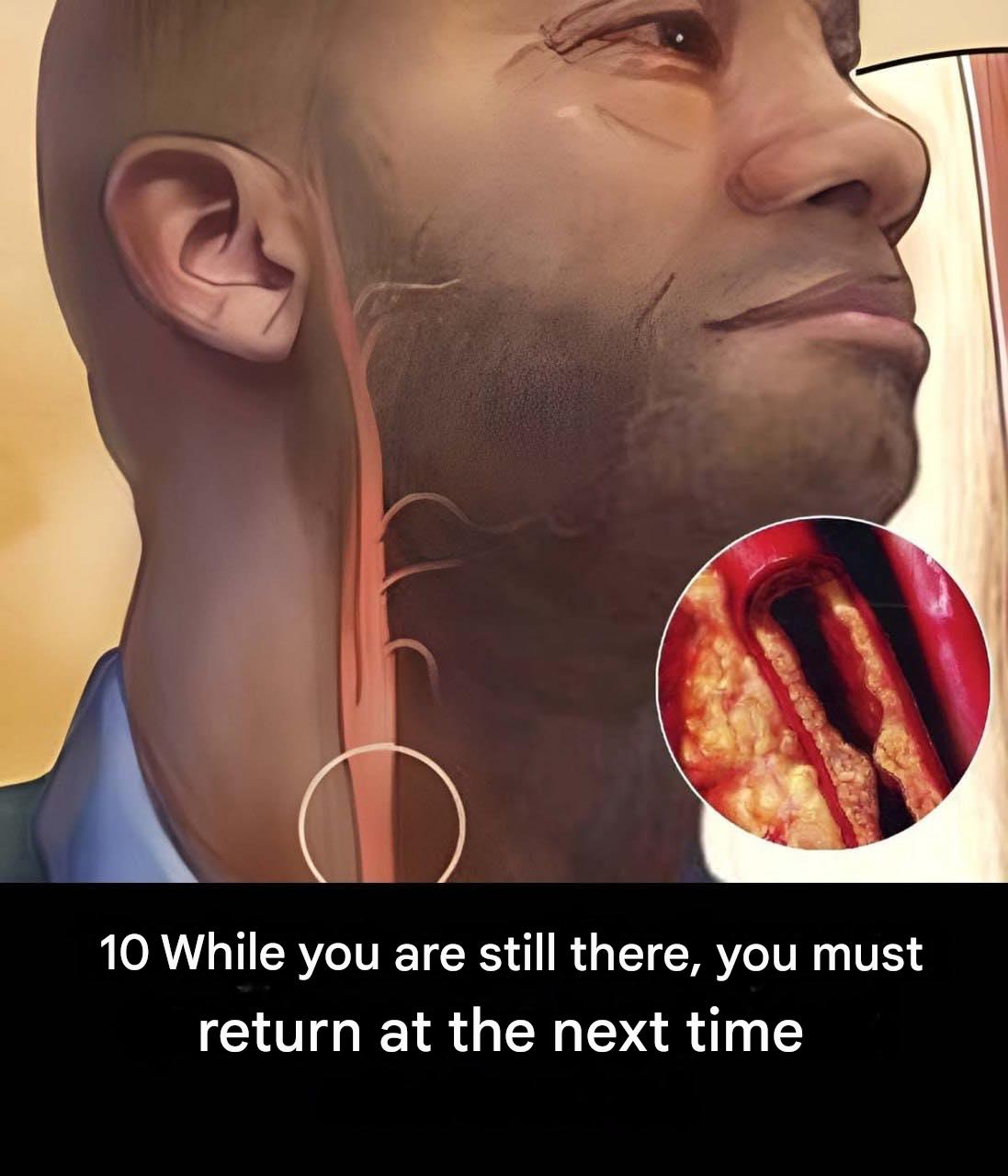
Imagine a river flowing freely, irrigating every part of your body. Now imagine that river clogged with debris, slowing its flow until it stops completely… This is exactly what happens when your arteries gradually become blocked. But how do you know if this is affecting you? Certain signs, often harmless, can warn you before a serious complication arises. Here are 10 symptoms you shouldn’t ignore.
Ten often-ignored symptoms of a cardiovascular problem
Unusual fatigue

Do you feel exhausted even after a good night’s sleep? Your arteries could be to blame. Reduced blood flow means less oxygen for your muscles and brain, leading to persistent fatigue.
Unexplained shortness of breath

If climbing a few stairs or walking at a moderate pace leaves you breathless, it’s time to listen to your body. Insufficient blood flow to the lungs can be a sign of blocked arteries.
Chest pain or tightness

Angina, that is, a feeling of tightness or burning in the middle of the chest, is an important warning sign. If it spreads to the left arm, jaw, or back, consult a doctor immediately.
Heavy or painful legs

Poor circulation in the lower limbs can cause pain or cramps, especially after exercise. This symptom may indicate arterial occlusive disease, which blocks blood flow to the lower limbs (PAD), a condition that should not be ignored.
Constantly cold feet

Are your extremities freezing cold, even in a warm room? This can indicate that blood is having difficulty reaching your feet, a sign that the arteries are narrowing.
